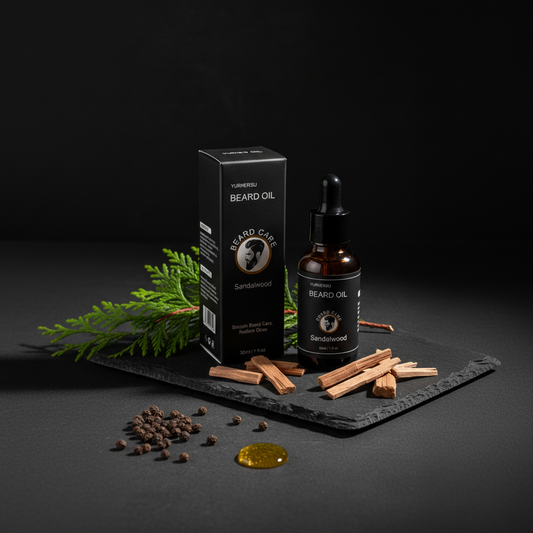
Can Beard Oil Be Used on Hair? What You Need to Know
Share
Yes, you can use beard oil on your hair—but it depends on your hair type, scalp condition, and how you use it. Beard oil is formulated to hydrate coarse facial hair and the skin underneath, using nourishing oils like jojoba, argan, or coconut. These ingredients can also benefit scalp hair by adding moisture, reducing frizz, and improving shine. However, beard oil is usually more concentrated than regular hair products, so overuse can make your hair look greasy. When used correctly and in small amounts, beard oil can act as a lightweight hair treatment, especially for dry or textured hair.
1. What Is Beard Oil Made Of?
Beard oil is typically made from a blend of carrier oils and essential oils designed to nourish both facial hair and the skin underneath. Common carrier oils include jojoba oil, argan oil, coconut oil, sweet almond oil, and grapeseed oil. These oils are rich in vitamins, fatty acids, and antioxidants that hydrate and soften coarse beard hair. Essential oils, such as sandalwood, cedarwood, or peppermint, are added for fragrance and sometimes for additional skin benefits.
The key difference between beard oil and traditional hair oil lies in concentration and purpose. Beard oil is formulated for thicker, rougher hair, which means it tends to be more nutrient-dense. This makes it effective for moisturizing, but also means it must be used carefully on scalp hair to avoid buildup.
Understanding the ingredients helps you determine if beard oil is suitable for your hair. If your hair is dry, curly, or damaged, these oils can be highly beneficial. However, if you have oily hair or a sensitive scalp, you may need to use beard oil sparingly or avoid certain essential oils.
2. The Difference Between Beard Oil and Hair Oil
While beard oil and hair oil may seem similar, they are formulated differently to suit distinct hair types. Beard oil is designed for coarse, thick facial hair and the sensitive skin underneath. Hair oil, on the other hand, is formulated for scalp hair, which tends to be finer and more prone to oil buildup.
Hair oils often include lighter ingredients that absorb quickly and won’t weigh down the hair. Beard oils can be heavier, providing deeper hydration. This means using beard oil on your head can work—but only if applied in moderation.
Another key difference is fragrance concentration. Beard oils often contain stronger essential oils, which may irritate the scalp if used excessively. Hair products are usually milder in scent and formulated for broader coverage.
Knowing these differences allows you to use beard oil effectively as a hair product substitute when needed, without compromising scalp health or hair appearance.
3. Benefits of Using Beard Oil on Hair
Using beard oil on your hair can provide several benefits, especially if your hair is dry or damaged. The natural oils in beard oil deeply hydrate the hair shaft, helping reduce dryness, brittleness, and split ends. This makes it a great option for people with curly, coarse, or textured hair.
Beard oil can also improve shine and smoothness. The oils coat the hair strands, reflecting light and giving your hair a healthier appearance. Additionally, it can reduce frizz and make hair more manageable, especially in humid environments.
Another benefit is scalp nourishment. Ingredients like jojoba oil mimic natural sebum, helping balance the scalp’s oil production and prevent dryness or flaking.
However, these benefits depend on proper use. Applying too much can make hair greasy, while using the right amount can transform dull hair into soft, hydrated strands.
Looking for the Right Beard Oil for Daily Use?
If you’re considering using beard oil on your hair, it’s important to start with a high-quality formula designed for daily grooming. A well-balanced beard oil helps hydrate both your beard and the skin underneath without feeling greasy or heavy.
Not all oils are created equal. The right blend should absorb quickly, soften your beard, and support a clean, healthy look—whether you’re using it for your beard or testing it on your hair.
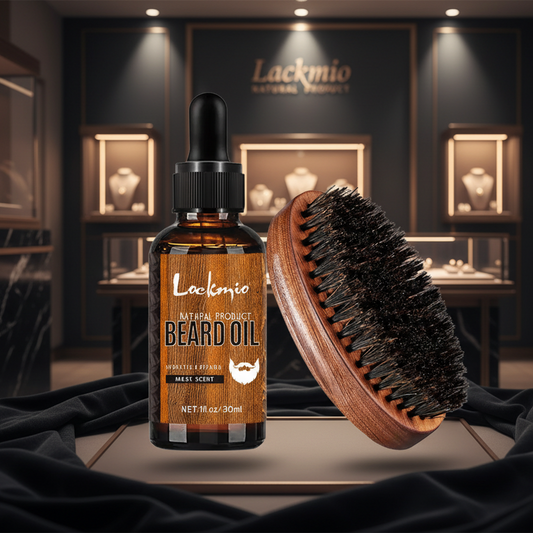
👉 Explore our collection of premium men’s beard oils designed for comfort, quality, and everyday performance. Shop Men’s Beard Oil
4. When Beard Oil Works Best for Hair
Beard oil works best on hair that is naturally dry, thick, curly, or damaged. These hair types benefit from the rich oils that beard products provide. If your hair lacks moisture or feels rough, beard oil can act as a deep conditioning treatment.
It’s especially effective in cold or dry climates, where hair tends to lose moisture quickly. Applying a small amount of beard oil can help protect against environmental damage and maintain hydration.
Beard oil also works well for people who use heat styling tools, as it helps restore moisture lost during styling. It can be applied to damp hair before blow-drying to reduce dryness.
However, for fine or oily hair types, beard oil may be too heavy. In such cases, it should be used sparingly or avoided altogether.
5. When You Should Avoid Using Beard Oil on Hair
While beard oil can be beneficial, it’s not suitable for everyone. If you have naturally oily hair or scalp, using beard oil may worsen the problem. It can lead to buildup, making hair look greasy and heavy.
People with sensitive scalps should also be cautious. Essential oils in beard oil can sometimes cause irritation, especially if applied directly to the scalp in large amounts.
Additionally, if you already use styling products like pomades or gels, adding beard oil may create product buildup and reduce effectiveness.
In these cases, it’s better to use products specifically designed for scalp hair. Beard oil should be considered a supplement, not a replacement for all hair care products.
6. How to Apply Beard Oil to Hair Properly
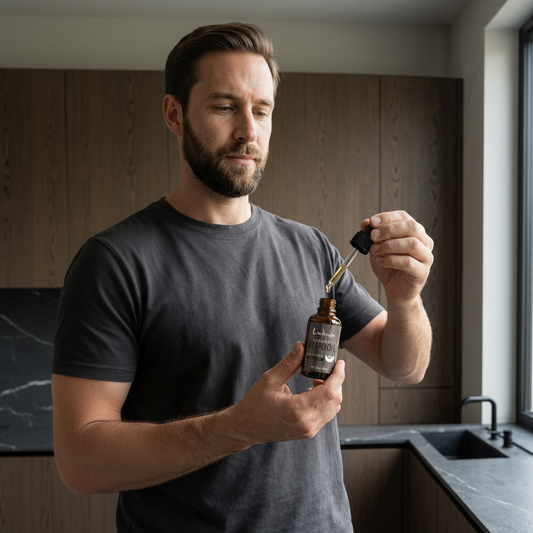
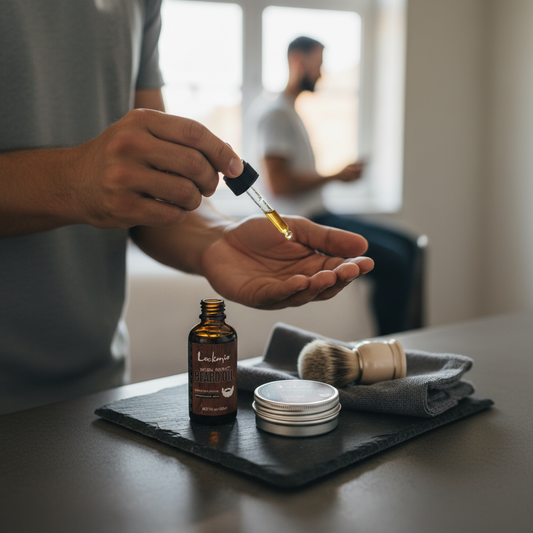
To use beard oil on your hair effectively, start with a small amount—just 2 to 3 drops. Rub the oil between your palms to distribute it evenly, then apply it lightly to damp or dry hair.
Focus on the mid-lengths and ends rather than the scalp, especially if you have oily skin. This prevents buildup while still providing hydration where it’s needed most.
For best results, use beard oil after washing your hair or as a finishing product to reduce frizz and add shine. Avoid overapplication, as a little goes a long way.
Consistency is key. Using beard oil occasionally as a treatment can improve hair health without causing heaviness or greasiness.
7. Can Beard Oil Help With Hair Growth?
Beard oil is not specifically designed for hair growth, but some ingredients may indirectly support it. Oils like castor oil and jojoba oil can improve scalp health, which is essential for healthy hair growth.
A well-nourished scalp promotes stronger hair follicles and reduces breakage. However, beard oil does not contain active growth stimulants like minoxidil.
Using beard oil can create a healthier environment for hair, but it should not be relied upon as a primary hair growth solution.
8. Best Hair Types for Beard Oil Use
Beard oil works best for thick, coarse, curly, or dry hair types. These hair types require more moisture, which beard oil can provide effectively.
For people with straight or fine hair, beard oil should be used cautiously. It can weigh the hair down and make it appear greasy.
Understanding your hair type helps you determine how beard oil will perform and whether it fits into your routine.
9. Beard Oil vs Leave-In Conditioner
Beard oil and leave-in conditioners serve similar purposes but differ in formulation. Leave-in conditioners are water-based and lighter, while beard oil is oil-based and heavier.
Beard oil provides deeper hydration, while leave-in conditioners offer balanced moisture without heaviness.
Depending on your needs, beard oil can act as a substitute—but not a full replacement.
10. Common Mistakes to Avoid
The biggest mistake is using too much beard oil. Overapplication leads to greasy hair and buildup.
Another mistake is applying it directly to the scalp, especially for oily hair types. Always start with a small amount.
Avoid mixing beard oil with too many products, as this can reduce effectiveness.
11. Can Beard Oil Replace Hair Products?
Beard oil can complement your routine but should not replace all hair products. It lacks certain ingredients found in shampoos, conditioners, or styling products.
Use it as an addition, not a replacement.
12. Final Verdict: Should You Use Beard Oil on Hair?
Yes, you can use beard oil on your hair—but only in moderation and based on your hair type. It works best for dry, thick, or textured hair, providing hydration, shine, and smoothness.
Used correctly, beard oil can enhance your hair care routine and deliver noticeable results.